12 Tips for Navigating Pregnancy with Lower Limb Orthotics
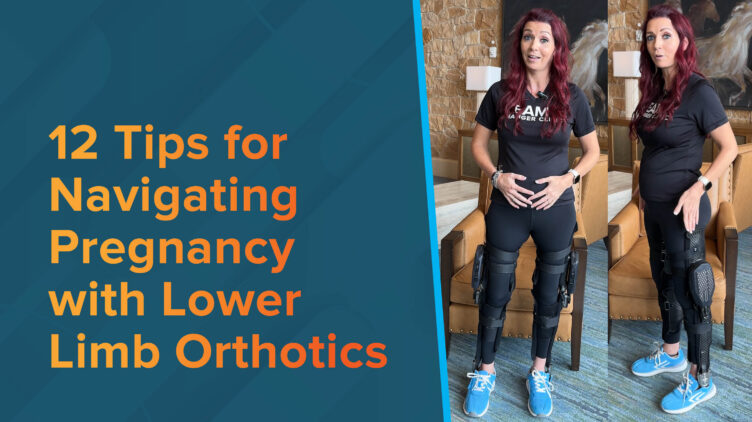
With Mother’s Day around the corner, it’s the perfect time to spotlight the experiences of moms and moms‑to‑be who use lower limb orthoses. Pregnancy brings unique changes for people who use lower limb orthoses, from changing body shape to shifting balance and device fit. With insights from Team Hanger Clinic Ambassador/orthosis patient Kate McRae and guidance from Hanger Clinic orthotists, here are practical tips to stay comfortable, safe, and mobile through each trimester.
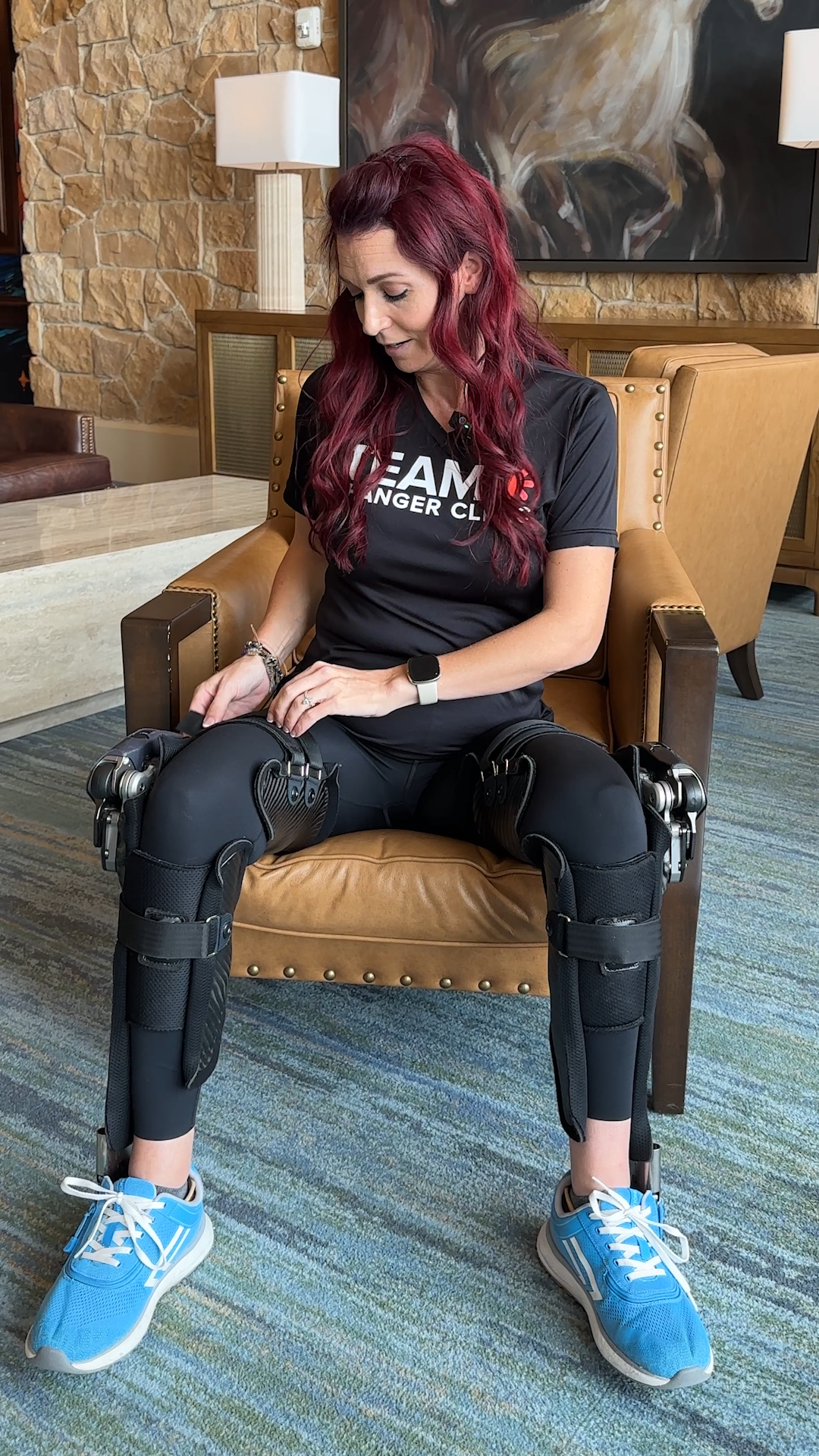
Kate McRae uses a microprocessor knee-ankle-foot orthosis (MPKAFO) and is currently navigating pregnancy. She’s sharing her experience firsthand, offering real-world insight into the adjustments that have helped her stay comfortable and mobile as her pregnancy progresses. Her experience, combined with guidance from Hanger Clinic orthotists, offers practical strategies for maintaining mobility and staying ahead of fit changes.
Whether you wear an ankle-foot orthosis (AFO), a knee-ankle-foot orthosis (KAFO), or another lower limb orthotic device, these tips can help you prepare for your pregnancy journey.
1. Tell Your Orthotist Early
When you discover you’re pregnant, let your orthotist know. Pregnancy causes physical changes, including weight gain, increased fluid retention, and shifting posture that can affect orthotic fit and function. Early communication helps your orthotist plan ahead and monitor changes.
2. Adjust How You Don and Doff your Orthosis
As your belly grows, reaching your device and footwear can become unexpectedly challenging. Kate found that small positioning changes can make a difference.
“I scoot a little closer to the edge of my chair, not too far because you’ve got to be safe. If you widen your knees out a little bit, your sweet little growing baby can fit between them while you reach down for your shoes.”
As pregnancy progresses and reach becomes even more limited, Kate’s advice is simple: ask for help. “That’s when you enlist the help of someone, your husband or other kiddos, good friends who can help you out if you need it.”
3. Prepare for Fit Changes – Especially Swelling
Edema (swelling) is common during pregnancy, particularly in the feet and lower legs. This can make your orthosis feel tighter or less comfortable, especially later in the day or in warmer weather. Talk to your orthotist about modifications or temporary solutions, such as adjustable straps, soft liners, or a modified device, that can accommodate swelling as your pregnancy progresses.
Tip: Try putting on your orthosis early in the day before swelling peaks and elevating your legs when resting to help manage fluid retention.
4. Schedule More Frequent Orthotist Appointments
During pregnancy, your body changes rapidly, sometimes week to week. What fits well in the first trimester may feel very different by the third. Consider appointments with your orthotist more often than usual throughout your pregnancy so that small fit issues can be addressed.
5. Keep Your Obstetrician and Orthotist Informed
Your obstetrician understands your pregnancy health, and your orthotist understands your device. When possible, keep both providers informed of the other’s recommendations to ensure they align with your mobility needs.
6. Pay Attention to Your Posture as Your Belly Grows
One of the most important and easily overlooked adjustments during pregnancy is posture. As your belly grows, your center of gravity shifts forward, which can affect your balance, how your orthosis functions, and how well it supports you. Kate has this experience with her MPKAFOs.
“After I stand up, the more my belly grows with that sweet baby inside, I’ve had to change my posture and really tuck my hips under to keep my balance over my legs.”
If you’re unsure whether posture is affecting your device, ask your orthotist to assess your gait.
7. Prioritize Fall Prevention
Your changing center of gravity can affect balance and gait in ways that feel unfamiliar.
- Use handrails when available
- Wear supportive, non-slip footwear
- Organize your home to reduce tripping hazards (rugs, cords, clutter)
Your safety, and your baby’s, are the top priority.
8. Evaluate Footwear
Pregnancy often causes feet to widen and swell. Consider shoes with:
- A wide toe box
- Adjustable closures (velcro or lace options work well)
- Extra depth to accommodate your device
- Supportive, cushioned soles
Your orthotist can help ensure your footwear works with both your device and your changing feet.
9. Keep Up with Skin Checks
Hormonal changes and increased perspiration can make skin more sensitive. Continue checking for redness, pressure areas, or irritation. If you notice new skin concerns, reach out to your orthotist rather than waiting for your next appointment.
10. Consider Liner or Padding Adjustments
As your body changes, your orthotist may recommend softer or more cushioned liner materials, additional padding, or protective sock systems to improve comfort and reduce irritation during pregnancy. Ask about options; small material changes can make a significant difference in day-to-day comfort.
11. Plan for Postpartum Changes
After your baby arrives, your body will continue to change, swelling will typically decrease, weight will shift again, and your posture will readjust. This means your orthosis fit will likely need reassessment in the postpartum period as well. Schedule a follow-up appointment with your orthotist in the early postpartum period to reassess fit and comfort.
12. Lean on Your Community
Connecting with others who have navigated pregnancy with orthotic or prosthetic devices can be incredibly reassuring. Peer support, whether through Hanger Clinic’s patient community or online groups, can offer encouragement and practical tips from people who truly understand.
Note: This blog is intended for informational purposes only and does not constitute medical advice. Always consult with your physician and certified orthotist regarding your individual health needs during pregnancy.
Request a Free Evaluation
If you or someone you love is looking for personalized prosthetic care, get in touch with a board-certified prosthetist at a Hanger Clinic near you.
With Mother’s Day around the corner, it’s the perfect time to spotlight the experiences of moms and moms‑to‑be who use lower limb orthoses. Pregnancy can bring unique challenges for those who use lower limb orthoses, from changes in balance to shifting device fit. Team Hanger Clinic Ambassador Kate McRae shares her firsthand experience alongside expert guidance from Hanger Clinic orthotists, offering 12 practical tips to help expectant moms stay comfortable, safe, and mobile through every trimester.
Latest Updates
Subscribe to stay up-to-date on our latest posts.