Behind the Ballroom: The Prosthetic Care Supporting Ezra Frech
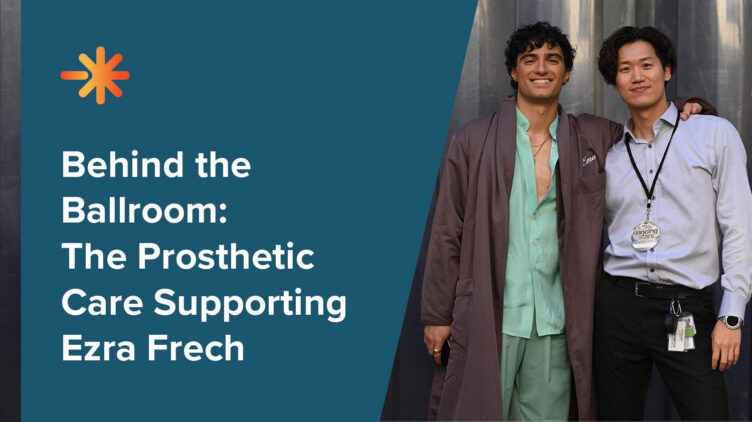
Every week, millions of viewers watch Ezra Frech light up the dance floor on Dancing with the Stars. What they may not see is the team behind him helping him prepare for the demands of competition, including his prosthetic care team at Hanger Clinic, which has supported his journey for years.
More Than a Prosthesis
For nearly a decade, prosthetist Uilliam Yongjin Lee, CPO, has been dedicated to helping people pursue the activities and lifestyles they love. Inspired by his parents’ careers in healthcare, he entered the profession to make a meaningful difference in people’s lives.
That same purpose is what has guided him as he works with Ezra. Whether he’s competing on the track or under the ballroom lights, Uilliam is focused on making sure Ezra has the support he needs to keep moving forward.
Taking on a New Challenge
As a two-time Paralympian, Ezra is no stranger to pushing boundaries. However, ballroom dancing presented an entirely new set of challenges.
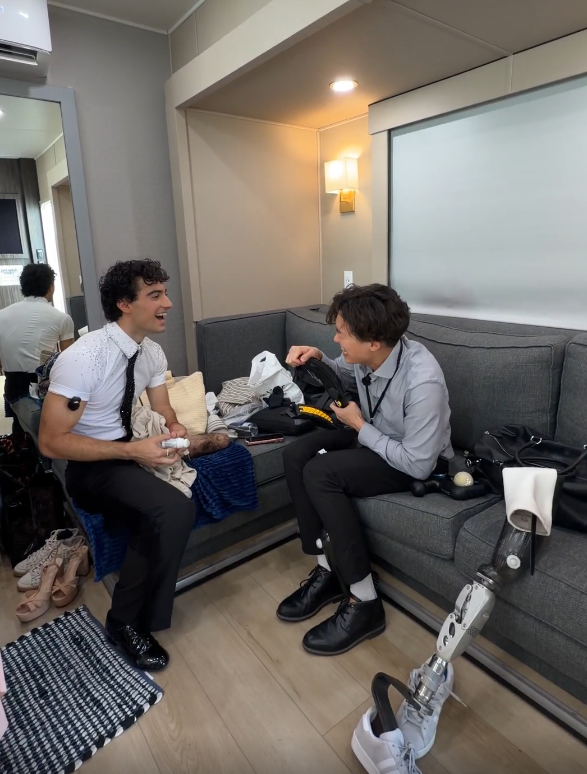
Unlike everyday walking or running, competitive dance demands constant multidirectional movement, rapid changes in position, and precise footwork. For someone using a prosthesis, those movements place significant demands on both the body and the device.
“Ballroom dancing is on a completely different level,” Uilliam explains. “Because Ezra’s above-knee prosthesis doesn’t have a multi-joint ankle that can naturally pivot in every direction, his leg ends up absorbing much more stress. That can lead to fatigue much faster. We also have to stay vigilant about protecting his skin and maintaining the prosthesis itself.”
The Pit Crew Behind the Performance
When viewers watch Ezra perform, they see confidence and grace. Behind the scenes, Uilliam describes his role a little differently.
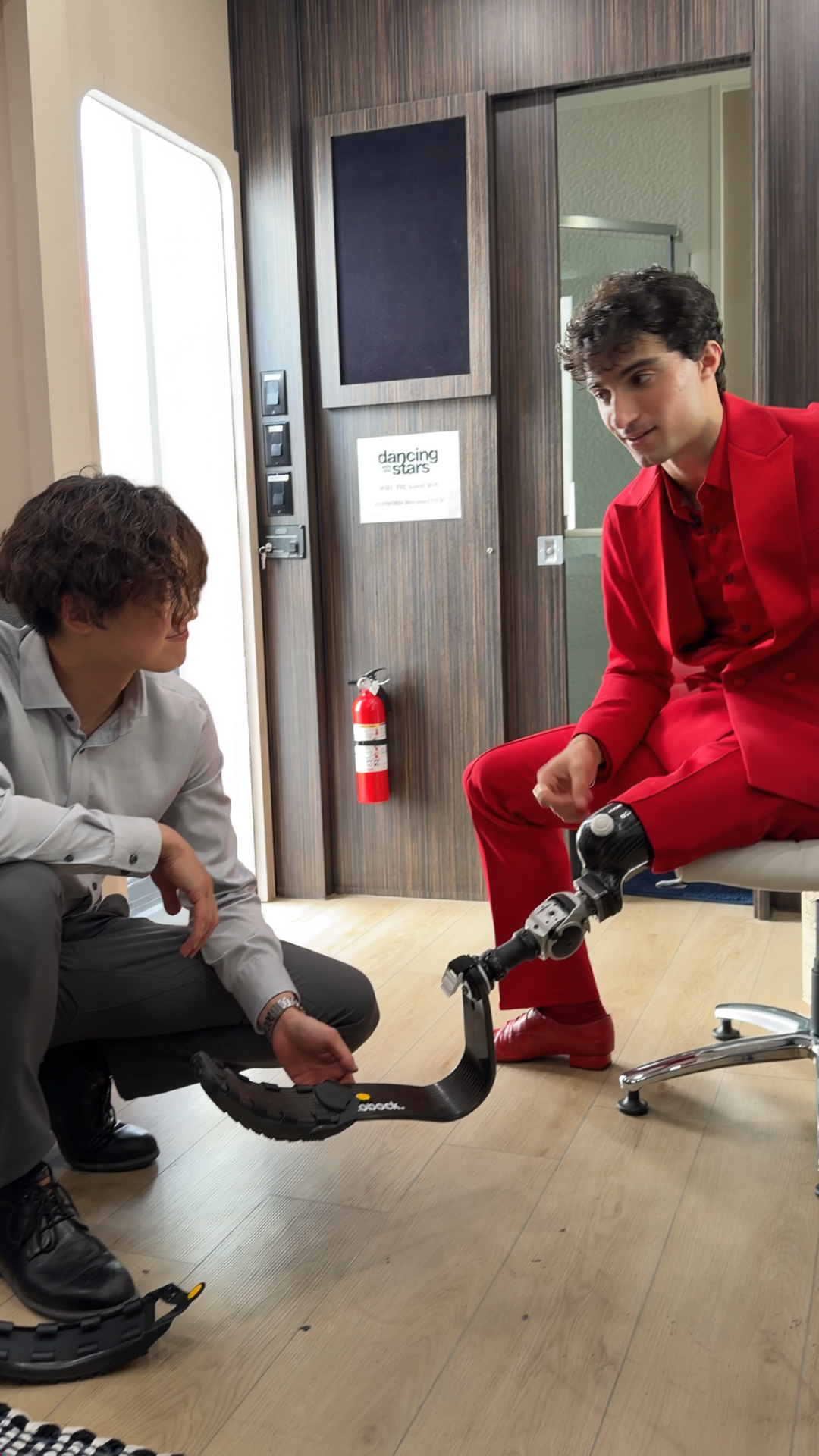
“I essentially work like his pit crew, similar to the mechanics you often see servicing race cars,” he says. “My job is to keep his prosthesis in perfect working order so he can perform at his absolute best.”
Each week involves careful inspections and adjustments of the prosthetic components to ensure they can withstand the demands of choreography that often pushes equipment beyond what it was originally designed to do. Just as important is monitoring Ezra’s comfort, skin health, and how his body is responding to the physical demands of rehearsing and performing.
The Relationships That Change Lives
Prosthetic care is rarely a one-time interaction. For many people living with limb loss, their clinician becomes part of their support system for years, sometimes decades.
Uilliam says that is one of the most rewarding aspects of the profession.
“I always start as a clinician, but over time, I become a trainer, then a cheerleader, and eventually a friend,” said Uilliam.
Whether someone wants to walk independently, return to work, chase after their children, run a marathon, or perform in front of a national television audience, the role of a prosthetist extends far beyond fitting a device. A prosthetist’s goal is to support each person as they define what is possible for themselves, and not to define what is possible for them.
Redefining What Comes Next
Assumptions about life after amputation can sometimes seem to focus on limitations. Initial conversations center on standing, walking, and completing basic daily activities. While those milestones are important, they may only be the beginning.
“This whole journey is about hope and motivation. It’s living proof that no matter what you go through, your life can absolutely still continue in beautiful ways,” Uilliam shared.
Life after limb loss is not simply about recovery; it is about rediscovery and continuing to grow in ways that may never have seemed possible before.
Changing the Conversation
For Uilliam, watching Ezra compete on one of television’s biggest stages is a powerful reminder of how important representation can be.
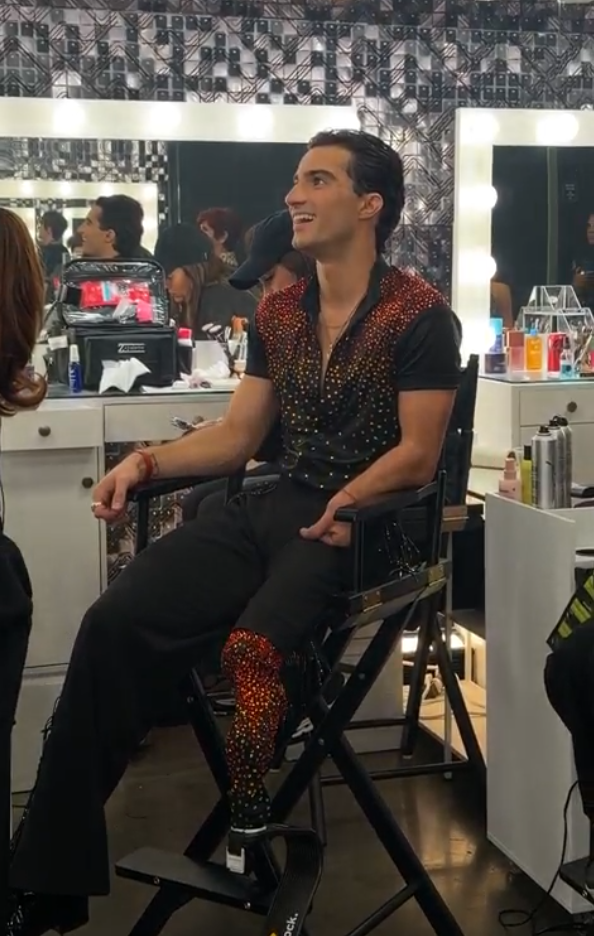
He hopes moments like these help shift public perceptions of what people with limb loss or limb difference can accomplish and encourage broader conversations about inclusion and accessibility.
“Activities like dancing, running, or biking shouldn’t be viewed as recreational luxuries,” Uilliam said. “They’re essential to physical and mental wellbeing.”
Representation matters because it allows others to imagine new possibilities for themselves. A person with limb loss watching from home may dream of playing soccer, hiking with friends, becoming an athlete, or simply feeling confident enough to try something new. Seeing someone like Ezra succeed helps make those dreams feel attainable, along with the dedicated care and relationships happening behind the scenes that help people keep moving toward whatever comes next.
Request a Free Evaluation
If you or someone you love are looking for personalized prosthetic care, get in touch with a board-certified prosthetist at a Hanger Clinic near you.
Behind every performance is a team helping make it possible. Go behind the scenes on Dancing with the Stars with Ezra Frech and Hanger Clinic prosthetist Uilliam Yongjin Lee, CPO, to see how personalized prosthetic care and relationships built over time can support people with limb loss as they pursue the goals that matter most to them.
Latest Updates
Subscribe to stay up-to-date on our latest posts.