
Maryland Prosthetic and Orthotic Legislation
Maryland Passes Legislation Supporting Coverage of Custom Prostheses and Orthoses for Physical Activity
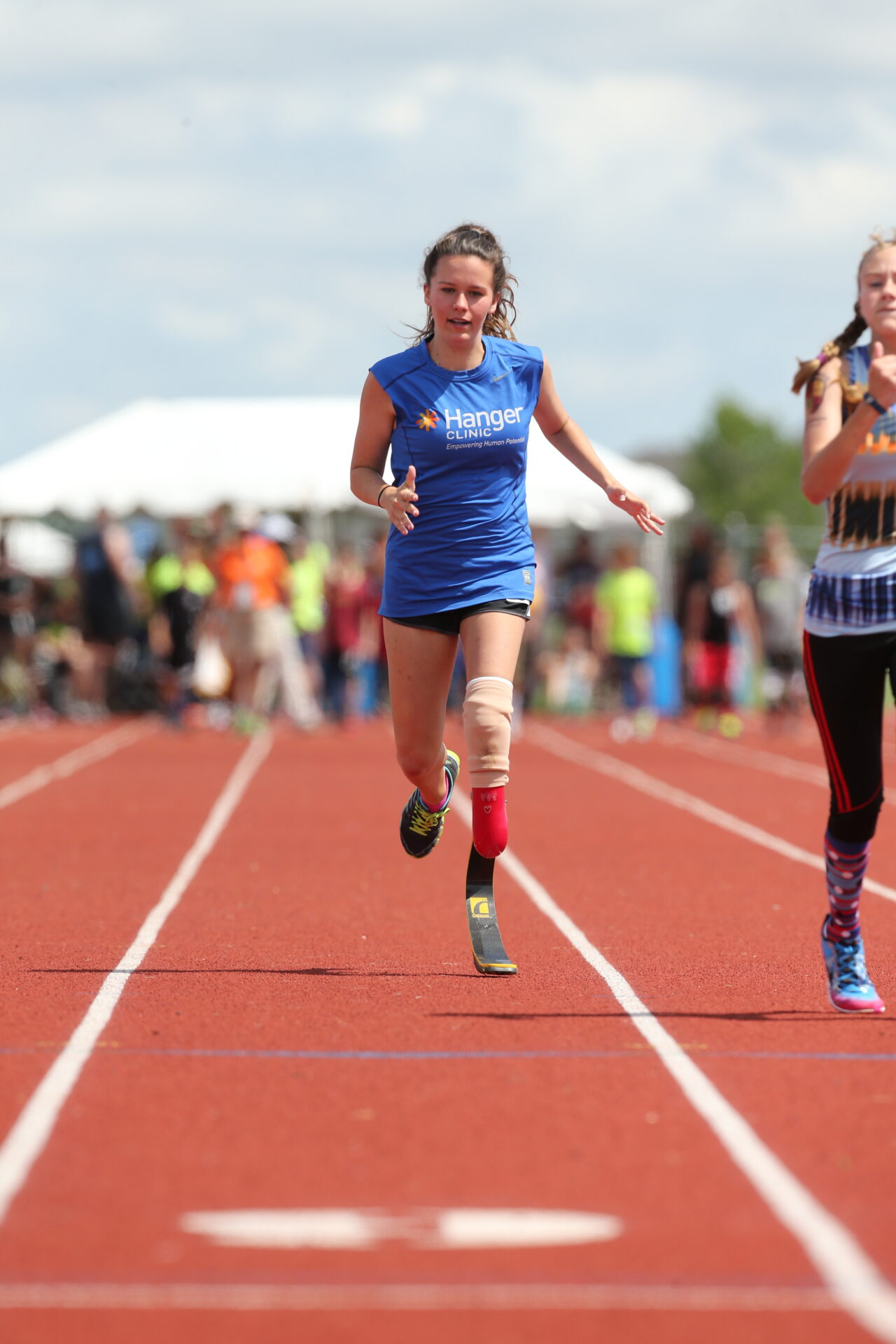
No single prosthesis or orthosis can replace the vast array of fundamental human movements lost from amputation, disease, or disorder. That’s why you may need specialized prostheses or orthoses designed for activities beyond just standing and walking. These specialized devices can help with movements like running, hopping, skipping, twisting, kneeling, jumping, swimming, dancing, biking, and more. They provide stability, prevent damage, and minimize injury to both your body and the device.
Maryland Legislative Activity
In 2024, Maryland passed a law (SB 614 / HB 0865) that requires fully insured commercial health plans, as well as Medicaid and managed care Medicaid plans, to provide coverage for an additional prosthesis if your physician determines it is medically necessary for physical and recreational activities, including running, bicycling, swimming, strength training, and other activities to maximize your whole body health and lower or upper limb function.
Supported by So Every BODY Can Move, the law for prosthetic coverage took effect on January 1, 2025. Advocates in Maryland supported passage of additional legislation that requires this same coverage for orthotic devices that will become effective on January 1, 2027.
What does this mean for the citizens of Maryland?
People of all ages may qualify for coverage. If you currently use a prosthesis or orthosis but struggle to participate in sports or other kinds of physical activities due to limitations of your daily use device, and you could benefit from the increased physical activity that a specialized prosthesis or orthosis would provide, reach out to your prosthetist or orthotist to discuss whether you qualify.
Would you benefit from a specialized prosthesis or orthosis?
- Do you have trouble performing or participating in certain activities using your current everyday prosthesis or orthosis?
- Could increased physical activity improve your mental or physical health? How so?
- How could exercising or increased physical activity improve your overall quality of life?
- Are there any health concerns that could develop from increasing your physical activity?
Running requires different biomechanics than walking. When running, more push-off energy is generated by the ankle than during walking, and upon heel strike, the vertical impact of running can equal around four times one’s body weight. The good news is that there are prosthetic devices specifically designed for running to maximize shock absorption and energy return while improving stamina and minimizing injury.
Michael Oros, CPO, FAAOPPresident of Hanger Clinic
Request a Free Evaluation
Reach out to your physician, therapist, or prosthetist/orthotist to discuss if a prosthesis or orthosis for physical activity may benefit you.